Because testing alone is not the problem — managing complex, long-duration testing programmes is.
Most laboratories focus on individual tests. Consultants advise but don’t execute. OEM test houses are often constrained by internal priorities and limited scope.
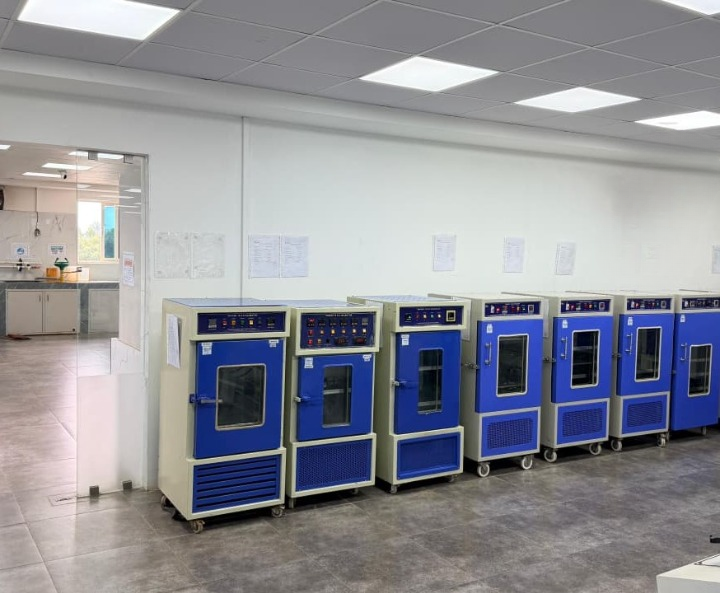
Malabou – Testing & Services operates as your technical extension on the ground. We combine advanced materials testing with fully managed testing programmes, providing independent engineering oversight, accredited results, and a single point of technical accountability — while leveraging a distributed network of ISO/IEC 17025-accredited laboratories across India.
Through our ISO/IEC 17025 laboratory network, Malabou enables:
Parallel testing across multiple laboratories to compress programme timelines
Access to specialised test rigs without capital investment
ISO/IEC 17025 traceability supporting qualification and compliance
Scalable capacity for development, validation, and production support
Seamless integration with metallurgical analysis and failure investigation
This networked, managed approach reduces cost, shortens validation cycles, and accelerates adoption of new materials, coatings, and manufacturing processes.
Managed Testing Programmes
Malabou manages complete testing programmes for:
OEMs
Industrial asset owners
Consulting engineers
Researchers and technology developers
Clients benefit from clearly defined scopes, consolidated reporting, and direct metallurgical and engineering oversight from test initiation through to final results — without the burden of coordinating multiple laboratories, time zones, or technical interfaces.
On-the-Ground Technical Oversight
Malabou’s physical presence within partner laboratories allows us to:
Verify test methodologies and compliance with applicable standards
Review sample preparation and test execution
Engage directly with laboratory metallurgists and technicians
Ensure results are technically robust, traceable, and globally recognised
Malabou governs the entire process, while maintaining independence, accreditation, and technical rigour.
Core Capabilities
Advanced Materials Testing Capabilities
FRAS (Flame Retardant & Anti-Static Testing)
Verification of flame retardant and anti-static performance for polymer and elastomer components used in safety-critical and hazardous environments, including mining, materials handling, and industrial applications.
SEM & EDAX
Scanning Electron Microscopy (SEM) and Energy Dispersive X-ray Analysis (EDAX) for detailed characterisation of:
Microstructure and phase distribution
Fracture features and crack morphology
Inclusions, contamination, and defects
Qualitative and semi-quantitative elemental composition
Failure Analysis – SEM Fractography
High-resolution fracture surface analysis to identify crack initiation, propagation mechanisms, and final fracture modes, supporting root-cause failure investigations and design or process improvement.
SEM Testing Machine
Extended-Time Material Testing
Extended-time material testing answers a fundamental engineering question: “What actually happens to this material after months or years in service?”
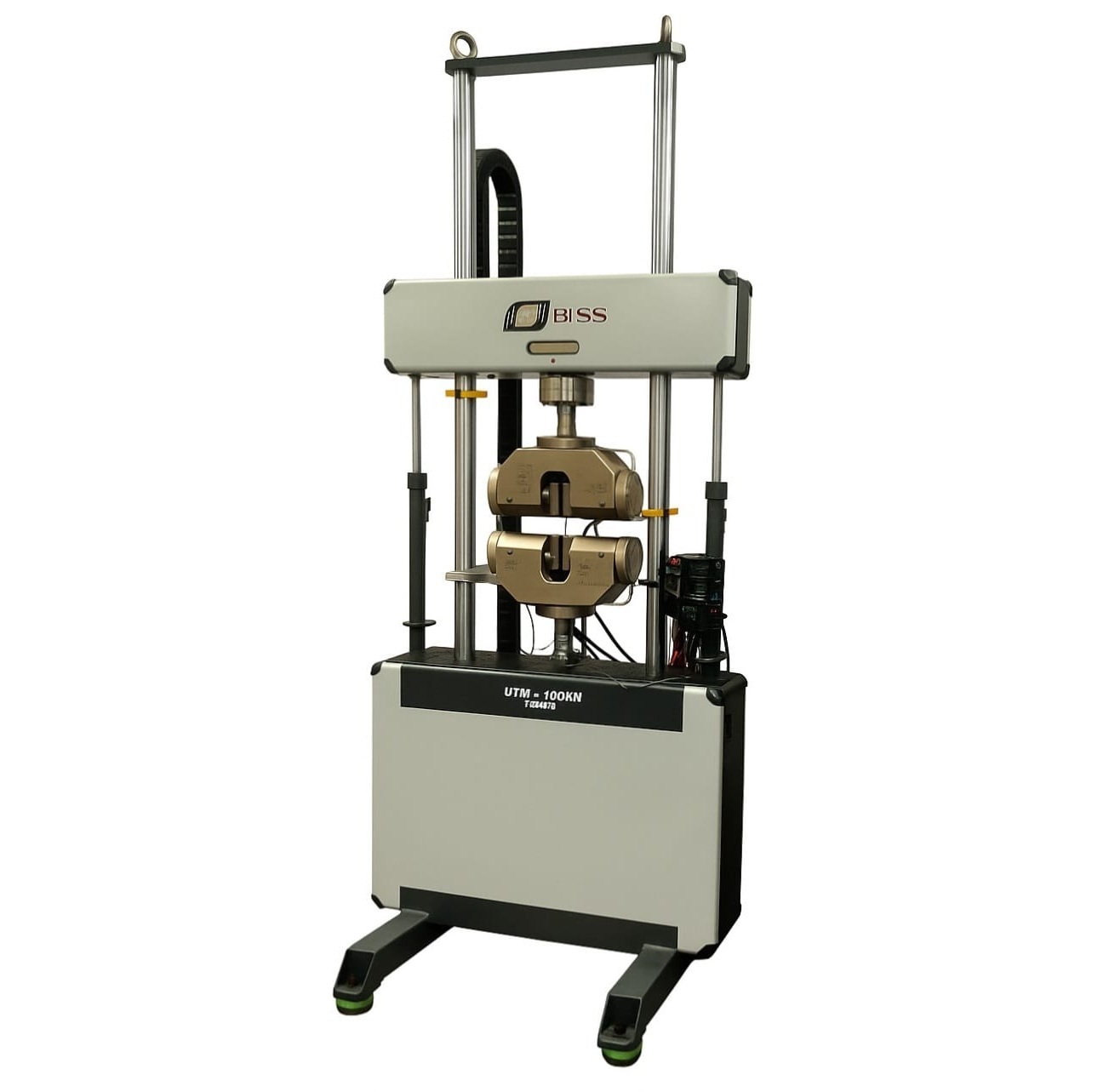
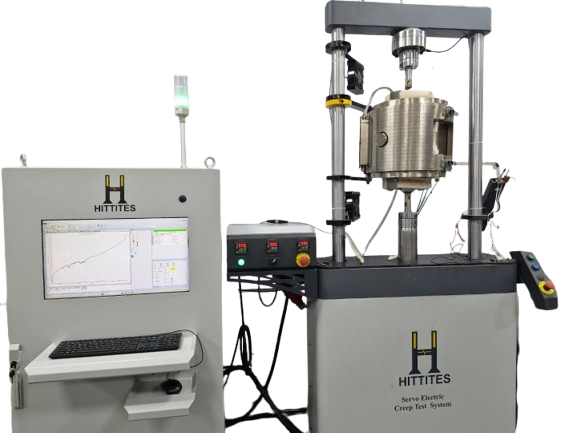
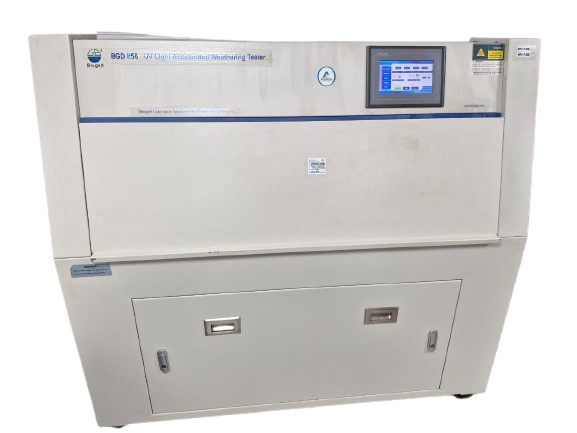
Unlike short-duration mechanical tests, extended testing captures time-dependent degradation mechanisms such as fatigue, creep, rupture, corrosion, oxidation, and environmental ageing — mechanisms that often govern real-world performance and failure.
ASTM E139 – Creep, Creep-Rupture, and Stress-Rupture Testing
ASTM B117 – Salt Spray (Fog) Testing
ASTM G85 – Modified Salt Spray Testing
ISO 1099 – Axial Force-Controlled Fatigue Testing
ISO 204 – Uninterrupted Creep Testing
ISO 9227 – Corrosion Tests in Artificial Atmospheres (Salt Spray)
EN 10291 – Long-Term Creep Testing of Metallic Materials
AS/NZS 1580 – Paints and Related Materials – Methods of Test
Standards Disclaimer
The standards listed above are indicative and representative of commonly applied test methods. Testing may be performed to equivalent ASTM, ISO, EN, AS/NZS, or customer-specific specifications as required by project scope, material type, and regulatory or contractual requirements.
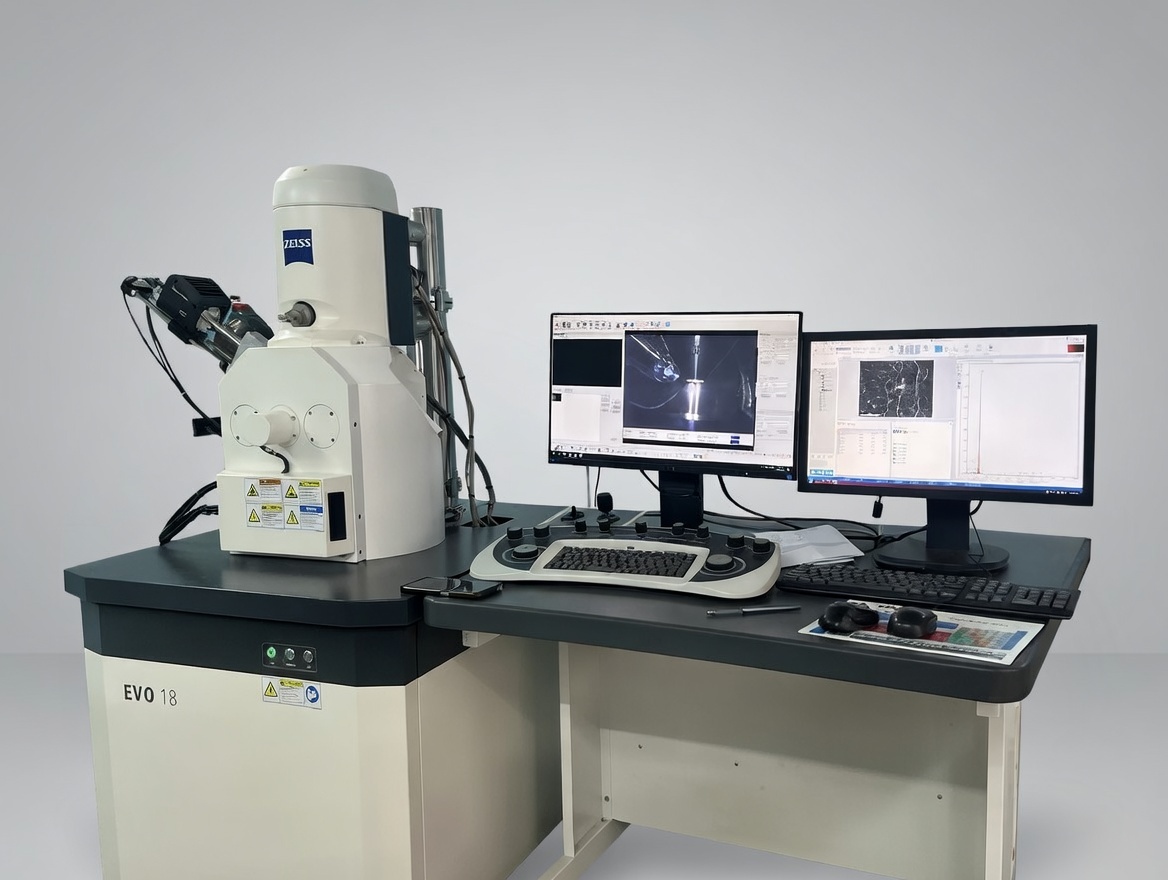 SEM Testing Machine